Don’t wear headphones for your baby
Headphones, as the name implies, for our adults, especially some college students, we basically carry headphones with us, because we have to listen to music, find inspiration from music, find happiness from music, but some parents are wrong. It is okay to think that our children wear headphones. Click here
Imagine that our children are growing up and can be said to be new to headphones. However, this method will have a certain impact on children’s hearing. Please listen to experts for our explanation.
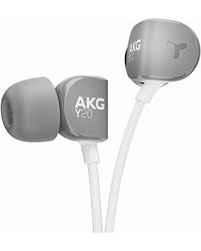
According to Canadian pediatric experts, don’t listen to stereo sounds for children under 9 years old, especially infants. This is because the hearing organs of infants and young children are at the development stage, and the organ arrangement is still very weak. If the baby is brought to the stereo headphones to listen to music, the sound pressure is directly transmitted to the thin tympanic membrane, which affects the auditory organs and makes them abnormally excited. Long-term use of abbreviated hearing fatigue, harming the auditory organs.
When you want to appreciate the stereo sounds for infants and toddlers, you must turn down the volume, let the baby listen for a while and take a break; and never give the child a headphone to listen to music, don’t do bad things. Be aware that a volume greater than 90 decibels will cause irreversible hearing damage to the nerves of the ear!
In addition, wearing the ear for two hours in a row caused hearing damage and could not recover. It is recommended not to let children not listen to songs in a noisy environment. In a different environment, the demand for decibels from the nerves to the outside world is different. Although you listen to songs in a noisy environment and listen to songs in a quiet environment at a small volume, the former is more damaging to the eardrum, and the degree of tolerance to noise has not changed.
Preschool kids go to the cinema, KTV, bar
In life, you should consciously take your child to avoid noise pollution. In particular, don’t ignore the pollution of recreational noise. It is best not to bring preschool children to entertainment venues such as cinemas, KTVs, bars, etc., and don’t let them use headphones directly. In addition, when parents choose toys for their children, they must carefully select them. Do not let the noise toys damage the baby’s undeveloped auditory organs. When listening to music, try to choose a quiet environment, although wearing headphones can greatly filter the surrounding noise, the direct damage to the ear is also the biggest!
Baby playing sound toy
The volume of many vocal toys is too large and almost becomes a noise. If they are placed in front of the baby at a long time and at a close interval, it may cause permanent damage to the baby’s hearing. Therefore, when buying a sounding toy for your baby, you should try to choose a toy that can adjust the volume, and pay attention to the quality-assured sounding toy that must be purchased by the manufacturer. After buying it, even if it is a toy that can adjust the volume, you must control the moment when the baby plays.
Close interval, high volume music prenatal education
Many mothers do not know that excessive use of the ear to form hearing damage may occur during the baby’s fetus.
In order to cultivate the baby’s music cells in the fetal period, some pregnant women bought a lot of prenatal music tapes, and opened the volume of the large recording machine every day to listen, sometimes even to the sound recorder directly attached to the stomach, thinking that this can make the fetus more understandable . After the baby was born, it was discovered after the hospital’s hearing test that the baby’s auditory nerve had been damaged during the fetal period.
Therefore, pregnant women must accurately choose prenatal music and control the volume. Music prenatal education should start after the fetus is 3 months later, in a larger space environment; the recorder or speaker should not be too close to the fetus, the volume is moderate; choose soft music with a soft rhythm and soothing.
2) Improper maintenance methods also affect hearing
In addition to making the baby safe to use the ear, it is also necessary to prevent damage to the baby’s hearing caused by poor normal maintenance.
1, try not to give your baby a baby ear
In order to adhere to the internal cleaning of the baby’s ears, some fathers and mothers will use the long fingernails or small hair clips to blindly dig in the baby’s ears. At this time, as long as it is neglected or accidentally bumped, the tympanic membrane deep in the ear canal of the baby will be damaged, so that the outer ear and the middle ear cavity are directly connected, and the bacteria simply take advantage of it, causing infection and impairing the hearing of the baby. .
Dad and mother don’t need to dig earwax often, so don’t blindly lick in the child’s ear with unwashed wool needles and hairpins. Stick to the cleaning of your baby’s ears. You can wipe the outer ear with a wet towel. Under normal circumstances, the earwax will fall off on its own. If the baby’s earwax is too much, which affects the hearing, it is still taking him to the hospital to ask the ENT to handle the contrast and safety.
2, do not form ear problems and trauma
Usually, the baby will cause otitis media due to the cold, breastfeeding posture and other reasons. If it is serious, it will affect the hearing. Sometimes the baby is naughty, and the father and mother will impulsively hit the baby’s slap. If they accidentally hit the ear, they may form a tympanic membrane. Affect hearing. Therefore, the demand enhances the baby’s resistance and prevents the cold; the mother should pay attention to the posture when feeding, prevent the milk from flowing into the baby’s ear canal; when the baby is naughty, do not lick the baby’s ear, or the adjacent part of the ear.
3) Understand the hearing development of babies of all ages
In addition to preventing these actions that are detrimental to the baby’s hearing, the father and mother should also understand the child’s performance after hearing the loss in order to keep abreast of the child’s hearing development during each period.
Newborn: The child claps his hands 20 to 50 cm apart. He has no response, and he may not be quiet after hearing your voice.
8~12 months: Your child has not heard his familiar voice and may not hear the voice of everyone.
1 year and a half: The child can’t say some very short words, like Fang Ma, Dad, maybe you let him do the actions you have taught, he has never done it.
2 years old: The child has not seen your tips through his eyes, he can not do according to some simple instructions you announced.
3 years old: The child can’t decide where the sound is announced. Maybe he doesn’t understand or use some words, like walking, me, coming in, big, and so on.
4 years old: The child will not associate some of the similar experience, he does not understand these simple directions before and after.
5 years old: The child can’t communicate with others briefly, maybe he can’t understand what he said.
After school: Regarding children during this period, their performance of hearing loss is: frequent casual, lack of energy, attention will not be collected, children with lower mobility than the same period, and may have frequent colds or earaches.
If your child presents any of the above-mentioned questions, perhaps his ability to move to a medium level for children of the same age, you should seek the help of a doctor.

 best noise cancelling headphones for sleeping